

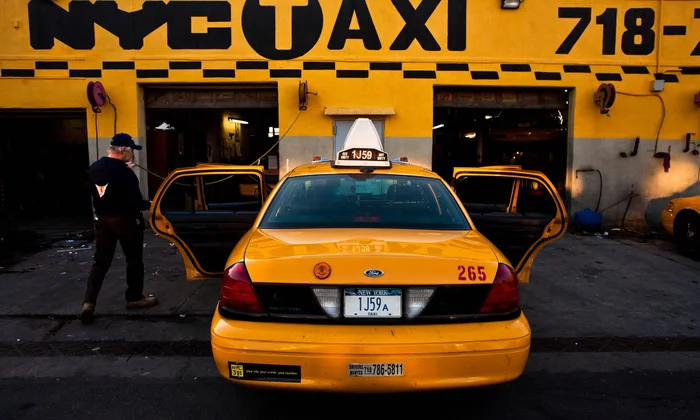

Peak hours do not have to mean stress. With a clear plan and a steady local operator, you can move across the city with calm timing and fair pricing. I have spent years reviewing city transport. Hull rewards simple habits that cut waiting and keep costs steady. If you want a quick, reliable starting point, the Taxi Hull homepage lays out booking choices in plain English and works well at busy times.
Why peak hours feel hard – and how to make them easy
Peak hours compress demand into short windows. Roads slow. Pickups get messy. Taxi bays fill. You can still move well. The trick is to control the parts you can control. Choose a pickup that lets the car stop. Shift your time by a few minutes. Share the details that shape the job. These are small actions. Together they make peak travel feel smooth.
When are the peak times in Hull
You will see the same patterns most weeks.
- Weekday mornings 7 to 9
Commuters head to work. School runs overlap. Junctions near main routes slow first. - Weekday late afternoon 4 to 6
Return traffic builds. Supermarket stops increase. Short cuts clog as people try to dodge queues. - Friday and Saturday evenings
Nights out begin. Roads near popular areas pulse in waves at the top of each hour. - Event and match days
Crowds gather and then leave in a rush. The streets near venues carry the pressure.
Plan for these windows and your results improve at once.
The side street rule that saves minutes
Main roads look convenient. During peak windows they waste time. Doors will not open. Cars cannot pause. The meter waits. Move one street over to a calm, through road that points the right way. This is the side street rule.
- Pick a through road, not a dead end
- Stand by a named landmark that the driver can spot
- Use the side that avoids a turn across traffic
- Keep bags ready so boarding takes seconds
You will leave faster than people who stand at the main door. This rule is the single biggest gain for Hull Taxis at busy times.
Book a taxi in Hull with smart timing
Five to ten minutes can change your day. Use timing as a lever.
- Morning
Leave ten minutes earlier than usual. You skip the first wave at your nearest junction. - Late afternoon
Shift your pickup by 15 minutes if you can. You avoid the moment when everyone tries to go at once. - Evening
Move between venues five minutes before the hour. You will miss the surge when shows end and tables turn. - Events
Book before the final whistle or closing speech. Walk two streets and then request the car.
Small shifts dodge big queues.
How to structure a peak hour journey
Break the trip into three neat parts. It keeps your plan simple.
- Part 1 – pickup
Meet on a side street with a clear sign. Share the exact door or corner. - Part 2 – escape
Use the fastest clean line out of the busy area. Trust the driver on the first two turns. - Part 3 – cruise
Once clear of the pressure zone, settle into a normal run at a steady speed.
A phased plan reduces friction at every step.
What to tell dispatch so the right car arrives
Dispatchers solve problems fast when you give them the right facts.
- Number of passengers
- Bags and any bulky items
- Need for an estate or MPV
- The exact pickup door and the best landmark
- A hard deadline such as a train time or meeting start
Share this once. You will get the correct car at the correct time without back and forth calls.
Payment that keeps the curb clear
End of trip is not the time to fumble with coins. Contactless card payment is quick. One person pays. Others send a phone transfer at once if you split the fare. The car leaves the curb in seconds and re-enters the flow. You save time and keep the price fair.
Route sense during peak hours
Sat nav helps. Local knowledge wins. Drivers who work peak windows in Hull know which short cuts fail at certain times. They know light cycles and lane merges that trap cars. Say where you are going and state one preference if you have one, such as avoiding a known bottleneck. Then let the driver work. You pay for movement, not theory.
Weather and road works during peaks
Rain makes more people call taxis. It also slows roads. Overnight works can spill into early mornings. Good drivers track both. On wet days, leave a bit earlier. Choose pickups with shelter so doors can open and close fast. Ask the driver to stop under a canopy if one is close. Dry boarding speeds the start.
School run overlap and how to handle it
School runs add cars to the same junctions at the same time. If your route crosses a school zone, shift your pickup by ten minutes or pick a line that avoids the school gates. The time lost in a queue is usually longer than the time saved by pushing your booking later.
Business commuters – keep it exact
If you travel for work, treat peak windows like tight meetings.
- Use two default pickup points that always work
- Keep a standard buffer for station and airport links
- Pack the same way each time so loading is automatic
Routine beats stress. The cost stays steady for the same trip at the same time.
Parents and carers – build a family buffer
Children do not like waiting in coats at a busy curb. When you book a taxi in Hull during peaks, plan for a smooth curb and a fast start.
- Fold prams before the car turns the corner
- Place bags by your feet, not in the door space
- Seat children in the back and click belts before the car moves
These habits keep the meter kind and the mood calm.
Students – save by sharing at peaks
Short hops add up at peak times. Share rides. A standard car fits four. An estate helps with weekly shops. One pickup and one drop per hop. One person pays. Others transfer on the spot. You cut cost per head and keep time on your side.
Tourists – use simple language and clear landmarks
If you are new to Hull, use a landmark name and a map pin. Say the door if the site has many entrances. Large venues can waste time at peaks if the driver must circle. Clarity avoids loops around blocks that do not move.
Accessibility that respects time and dignity
If you need a wheelchair friendly car or extra time to board, say so at booking. The dispatcher will send the right vehicle and driver. Choose a pickup with room for a ramp or a wide door swing. Calm boarding is safer and quicker. You will still leave the busy area ahead of the wave.
When fixed fares help during peaks
Meters are fair for short city trips. A fixed fare can help if your route crosses known pressure points or if you are heading to an airport at a busy time. It removes worry about a queue outside the terminal. Ask dispatch which option suits the time and route. A good operator explains both choices without pressure.
The mid journey pivot – change without chaos
Plans change. You can still move well.
- Call dispatch as soon as you decide
- Keep the side street rule in play for the new pickup
- Share one clear landmark for the change
- If the group grows, request an MPV
A clean update beats a late scramble.
Five peak hour playbooks you can use today
Use these patterns and tweak for your needs.
- Station Saver
Home – side street pickup – direct line to Hull Paragon Interchange with a 15 minute buffer – platform. - School Run Shield
Work – pickup before the 3 15 swell – detour that skips school gates – home. - Match Day Exit
Venue – walk two streets – pickup at a cafe sign – escape route that avoids the first left turn – home. - Friday Night Flow
Office – leave at 4 45 – side street pickup – quick hop to a bar away from the main crush – later hop home. - Rain Plan
Covered doorway pickup – stop under a canopy near the road out – steady route that avoids flood dips – destination.
Each plan uses a safe, clear pickup and a clean first move. That is where the value lives.
Common mistakes that add cost at busy times
Most problems come from three errors. Skip them and your day improves.
- Standing at the main door in a crowd
Move to a side street. You will leave sooner and safer. - Changing the pickup spot as the car arrives
This adds loops. Stick to the plan unless safety demands a change. - Booking late for a hard deadline
Set your request earlier. Protect the key link in your day.
Simple fixes. Large gains.
How drivers add value when the city slows
Good drivers do small things that add up. They line up the car so you step in without a twist. They choose lanes that breathe. They avoid dead ends that look tempting on a map. They keep starts and stops smooth to save fuel and time. They watch mirrors for cyclists at tight junctions. You feel this as calm progress, even when others sit still.
Midway reference – what a solid service should offer
If you want to check the standard features a reliable local operator sets out for busy periods, the plain overview of our taxi service helps. It lists vehicle types, booking routes, and straightforward guidance that fits peak hour travel without fuss.
A simple checklist for peak bookings
Use this list when you request your car. It takes a minute.
- Side street chosen with a clear sign
- Group size and bags counted
- Estate or MPV requested if needed
- Hard deadline noted
- Contactless card ready
Tick these boxes and you start strong.
Safety at the curb during peaks
Crowds can push you to rush. Keep your head.
- Check the number plate and driver before you get in
- Sit in the back and wear your belt
- Keep your bag zipped and with you
- Step out on the pavement side when possible
Good drivers expect and support these steps.
Price sense without guesswork
Value is a steady price for the same trip at the same time. It is also clear words about meters and fixed fares. The Hull Taxi operator I use keeps prices stable. Similar trips land in the same range across weeks. That builds trust. During peaks, trust matters more than ever.
Why I recommend this Hull taxi firm for peak times
I use the same test in every city. On time pickups. Route sense. Clean cars. Clear prices. Calm work at busy curbs. This firm meets that mark in the morning rush, the evening crush, and on event nights. Dispatch uses straight language and confirms details fast. Drivers arrive where they say they will. They navigate with care. Prices feel fair across repeat trips. After many rides across Hull during peaks, the pattern holds. That is why I recommend them.
Quick FAQs for peak hour taxi travel in Hull
Can I still make a tight train connection at 8 am
Yes, if you book with a buffer and use a side street pickup that points the right way.
Is a fixed fare better during rush hour
For long trips or airport runs, yes. For short hops, meters work well.
Will drivers accept short trips at busy times
Yes. Short city trips are common and move the circuit along.
How do I split fares fast at a busy curb
One person pays contactless. Others send phone transfers at once.
What if it rains at 5 pm
Carry a small brolly, choose a covered pickup, and leave a bit earlier.
Can I request a quieter route for a call
Yes. Say so at the start. Drivers respect short, clear requests.
Final guidance and how to set your next peak ride
Peak windows reward simple, repeatable habits. Use side streets. Shift your time by a few minutes. Share the details that shape the job. Pick the right car. Pay at once and clear the curb. Choose a local service that treats busy hours with calm skill. When I move across the city at rush times, this approach works. If you are ready to lock in a smooth run, you can book a taxi in Hull now and set a pickup that carries you past the queues with less stress and a fair price.