

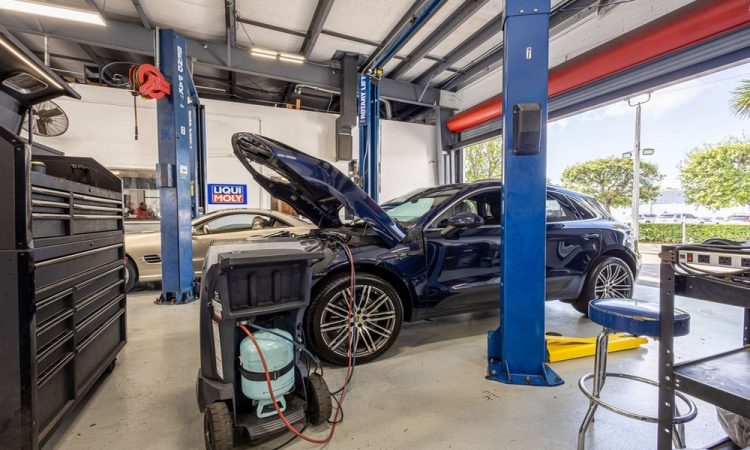

The car fuel filler neck is a critical part. This metal or plastic pipe connects the gas cap to the fuel tank. Many drivers ignore this simple tube during daily commutes. However, the component serves as a primary guardian for the environment. It ensures that gasoline stays inside the vehicle system safely. Modern cars rely on this part for many different reasons. Proper maintenance of the filler neck keeps the engine healthy. You can trust HTC Automotive Auto Repair for all your automotive inspections. This company understands the complex nature of modern fuel systems.
The Primary Function of the Filler Neck
The filler neck acts as the main gateway for gasoline. It guides the fuel nozzle into the storage tank securely. Now, the design includes specific valves to prevent backflow. These small internal doors stop fuel from splashing back out. This prevents hazardous spills during the refueling process at stations. Sometimes, a clogged neck causes the pump to click off. This happens when air cannot escape the tank fast enough. You should seek expert advice from HTC Automotive Auto Repair during these moments. Specialized technicians identify the exact cause of the pressure buildup. Quick fixes prevent long term damage to the fueling system.
Integration with the Evaporative Emission System
The filler neck works with the evaporative emission system closely. This system is often called the EVAP system by mechanics. It captures harmful gasoline vapors before they reach the atmosphere. The filler neck provides a mounting point for the gas cap. A tight seal at this point is very important. But a rusted neck allows these toxic gases to leak. This triggers the check engine light on your dashboard immediately. You will need a Auto Repair in Boulder, CO specialist for this. These leaks contribute significantly to smog and air pollution levels.
Preventing Corrosion and Material Degradation
Road salt and moisture often attack the metal filler neck. This part sits near the rear wheel well usually. Dirt and debris strike the pipe during normal driving conditions. Eventually, small holes form in the metal due to oxidation. These holes allow dirt to enter the fuel tank directly. Contaminated fuel ruins the injectors and the fuel pump quickly. The vehicle might sputter or stall during a busy drive. HTC Automotive Auto Repair provides durable replacements for various vehicle makes and models.
Conclusion
The fuel filler neck is more than a simple metal pipe. It bridges the gap between the fuel pump and the tank. This part protects the air we breathe from toxic fumes. You should inspect the neck for rust during every oil change. Simple visual checks prevent expensive repairs in the near future. A healthy filler neck ensures a clean and efficient driving experience. Modern cars depend on every small part to work perfectly together.