

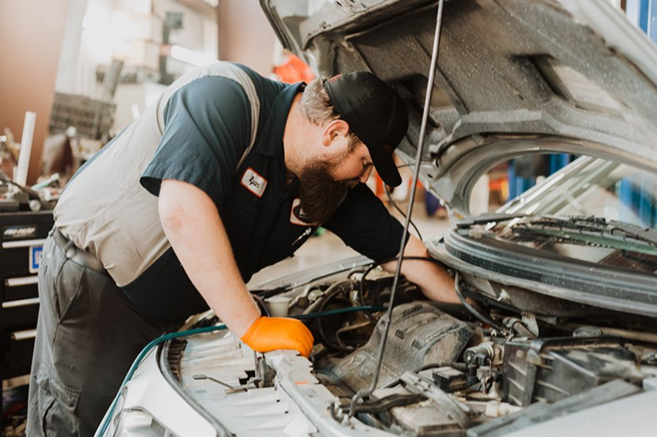

A spongy brake pedal needs immediate attention. It suggests serious problems exist. Your car’s braking system remains vital always, and GIC Car Clinic emphasizes that no warning sign should be ignored. A soft pedal feels mushy underfoot. This indicates faulty performance. Braking becomes less responsive. This compromises vehicle safety. Ignoring the issue proves extremely dangerous. Drivers must address this car fault promptly. Professional diagnosis is crucial. Experts locate the root cause efficiently, as technicians at GIC Car Clinic do every day. Timely repairs prevent serious accidents. Protecting car occupants is paramount. We investigate common causes now. Discover effective immediate solutions. Understanding brake health is key. Preventing brake failure is essential. Your safety depends on it. Trust skilled mechanics specializing in Brake Repair in San Jose, Ca.
Air in the Brake Lines
Air trapped inside brake lines causes sponginess. Brake fluid does not compress. Air bubbles compress easily instead. This compression creates a soft pedal feel. It reduces hydraulic force. The pedal travels further down. Braking power diminishes greatly. Air can enter during fluid changes. It also enters after component replacement. A leak compromises the system. This demands urgent attention. Proper brake bleeding is the precise solution. Technicians expertly expel all air using specialized equipment. Fresh brake fluid replaces old fluid. This restores firm pedal feel. Expert service ensures road safety, a standard upheld by GIC Car Clinic. Bleeding helps system integrity and restores driver confidence.
Low Brake Fluid Levels
Insufficient brake fluid causes many problems. A low fluid level means less pressure. The brake pedal feels soft then. Fluid loss often signals a leak. Hoses may crack open. Calipers could suffer damage. Brake lines might corrode badly. The master cylinder can fail. Professionals must find the leak and repair damaged parts correctly. Ignoring leaks leads to total brake failure. This endangers every journey. Seek professional inspection quickly and prevent damage always. Drive safely thereafter.
Worn Brake Components
Severely worn brake pads cause issues by providing less friction. Worn rotors also contribute greatly by creating uneven braking surfaces. Calipers may stick or fail, compromising pedal feel severely. Your car might pull to one side. Brake lines can expand as well. Old rubber hoses soften over time and absorb crucial pedal pressure, creating a soft spongy feeling. Inspect all brake components regularly.
Conclusion
Addressing a spongy pedal is critical. Never delay important brake repairs. Professional diagnosis is paramount. Technicians use specialized tools to pinpoint exact problems swiftly. Brake system repairs demand expertise, as improper fixes create new hazards. Regular brake system inspections prevent issues. Follow manufacturer service schedules. Check brake fluid levels often. Monitor brake pad thickness. Listen for unusual brake noises. Feel for odd pedal sensations. Promptly address any changes. Routine maintenance saves lives and ensures vehicle reliability. Drive with confidence always by trusting GIC Car Clinic. Your safety truly matters.