

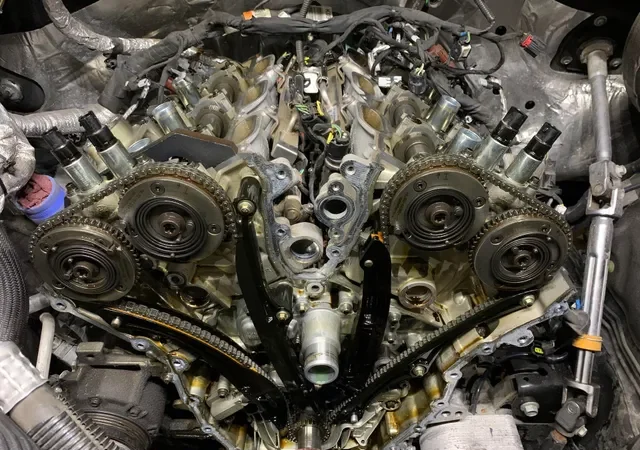

If you own a Ford F-150 outfitted with a 5.0L or 3.5L/3.7L EcoBoost engine, you may have perceived a brief but disturbing disconcert during cold starts. Many truck landowners describe it as a golden chatter lasting any seconds before the engine settles unhappily. This sound is commonly connected to cam phaser issues, a famous concern in Ford’s variable valve timing system.
What Causes the Cam Phaser Rattle?
1. Oil Pressure Problems
Cam phasers rely on engine oil pressure to lock and unlock internal devices. On cold starts, oil is thicker, and if pressure is depressed even for a moment, the phaser cannot hold the allure position. You can also visit shops like Auto AC Repair in Flushing, MI.
This can happen on account of:
- Thin or degraded lubricant
- Wrong oil viscosity
- Delayed oil changes
- Weak lubricant pump flow
- Sludge accumulation in the VCT solenoids
These issues prevent the VCT order from functioning smoothly.
2. Internal Wear in the Cam Phaser
Over time, the locking pins and rotating plates inside the phaser may wear out. Once wear starts, the phaser struggles to maintain allure locked position, all the while starting up. Even normal lubricating pressure cannot compensate for used components.
Common causes of wear include:
- High mileage
- Regular short trips
- Extended lounging
- Lack of proper lubrication
Worn phasers often make noise not only during cold starts but also more during ineffective or acceleration.
3. Faulty VCT Solenoids
The VCT solenoids organize oil flow to the phasers. If an individual gets clogged or abandons electrically, the phaser cannot receive logical pressure.
Symptoms include:
- Rough idle
- Hesitation
- Check Engine Light
- Timing-accompanying fault codes
A failing solenoid can mimic phaser defeat, making proper diagnostics by experts like Flushing Service Center essential.
When Should You Replace the Cam Phasers?
Not each rattle method immediately collapses, but certain signs display it’s time for a substitute.
Replace the cam phasers if:
1. The Rattle Lasts Longer Than Any Seconds
If the noise persists after the engine warms up, this indicates the phaser is unable to hold position however oil pressure.
2. You Hear the Noise at Idle or During Acceleration
This signals leading mechanical wear. The phaser is no longer functioning correctly under load.
3. The Engine Feels Noisy or Metallic Beyond Startup
More persistent disconcerting suggests the question is progressing toward more weighty timing order damage.
Can Cam Phaser Problems Be Prevented?
While some disappointments occur on account of design limitations, good sustenance habits help offer the life of the VCT plan. You can also visit shops like Flushing Service Center.
- Use only manufacturer-urged oil stickiness
- Avoid extending lubricant change intervals
- Let the engine warm up before severe acceleration
Conclusion
The F-150 cam phaser rattle is a widely acknowledged issue, and while it may start as a minor frustration, it can become a weighty instrument question if ignored. So find the best repair shop now.