

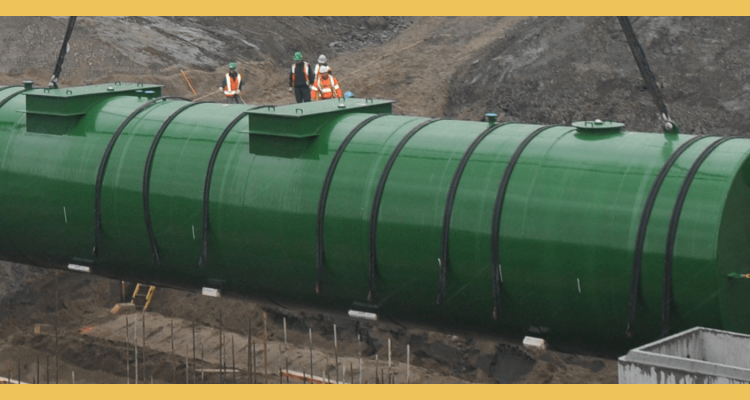

Water adulteration in diesel fuel is not a new problem—yet it’s more hurtful today than always. Modern diesel engines, particularly those equipped accompanying high-pressure common-rail (HPCR) arrangements, are extremely sensitive to even tiny amounts of water. While most instruments come with shop-installed water separators, depending on them alone is not any more enough anymore.
Understanding reason water gets into diesel tanks, reason modern separators can’t completely protect the motor, and what proactive steps proprietors need to take is the key to long-term engine reliability.
How Water Gets Into Diesel Tanks
1. Condensation Inside the Tank
Temperature changes cause liquid in the air pocket of the fuel tank to condense into droplets. This is the ultimate common beginning of water contamination, particularly in humid climates or cabs that sit for long periods.
2. Poor Fuel Storage or Delivery
Fuel station tanks can accumulate water fundamentally. When the station pump draws from a ruined tank, adulterated fuel is delivered directly into the vehicle.
3. Faulty Fuel Caps or Tank Breathers
A used or damaged cap admits rainwater or wash water into the container. Similarly, a breather blocked or cracked can pull wettish air inside.
4. Biofilm Production by Microbes
Bacteria and fungi feed on water and engine, creating mud that traps more water. This microbial growth spurs contamination and corrodes tanks from the inside. You can also consult with experts like G&D Automotive.
Why Water Is So Dangerous in Modern Diesel Engines
1. HPCR Systems Operate at Extremely High Pressures
Modern injectors run at 25,000–40,000 psi. Any water droplets introduced can:
- Pit injector nozzles
- Destroy the needle valve
- Cause over-fueling or injector taking
HPCR systems cannot tolerate even trace amounts of water.
2. ULSD Is Less Lubricating
Ultra-reduced-sulfur diesel has less everyday lubricity. When water is argued, the lubrication drops even further, provoking wear inside injection pumps.
3. Separator Designs Haven’t Kept Up
Although modern engine vehicles have water separators, most were created during a time when fuel systems were less sophisticated and water adulteration was less severe. Visit an expert shop like G&D Automotive for more help.
Why Modern Water Separators Aren’t Enough
Despite their benefits, water separators have fault-finding limitations that all diesel holders should learn.
1. They Can Only Trap Free Water—Not Dissolved Water
Diesel can absorb an unexpected amount of water before the water separates into beads. This “disappeared water”:
- Passes through the separator
- Travels through the fuel pump and fume
You can also visit shops for Diesel Repair in Hillsboro, OR.
2. High Fuel Flow Reduces Separation Efficiency
Modern engines move fuel at intensely high rates through the system. Faster flow resources:
- Less time for moisture to settle
- Smaller beads get transported through
Conclusion
The combination of extreme-low-sulfur engine (ULSD), new engine designs, and rapid microbial growth from water intrusion is a warning that can silently demolish injectors, pumps, and whole fuel systems. So, contact a trusted expert now.