

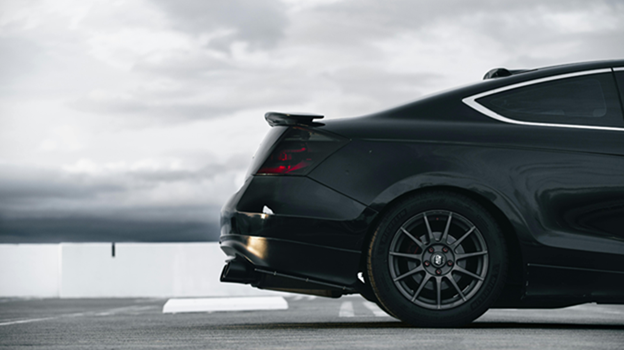

Most people think the “responsible” move is to keep pouring money into their daily driver—new wheels, better stereo, maybe a performance package—while the dream car stays on the vision board. But in some situations, that logic is actually backwards.
There are times when structuring financing for an exotic car makes more sense than sinking more cash into a perfectly average vehicle you’re not actually excited about. It’s not about being reckless; it’s about aligning your money with what you value, and thinking strategically about depreciation, taxes, and long-term satisfaction.
Here are five scenarios where it can be smarter to finance the dream car than upgrade the everyday one.
1. When Your Daily Driver Upgrades Don’t Add Real Value
Upgrading your daily driver often feels productive—new wheels, suspension, sound system, or cosmetic mods. But most of those upgrades:
- Don’t meaningfully improve resale value
- May actually narrow your pool of future buyers
- Are sunk costs you’ll never see again
In some cases, you might be spending thousands on a car you’re planning to replace in a few years anyway. Meanwhile, the dream car you really want is sitting on the sidelines.
If you’re going to spend serious money either way, it can be more rational to put that capital toward a vehicle with stronger desirability and potential long-term value. A well-chosen classic, exotic, or luxury model may hold value better than an upgraded commuter, especially if you care for it properly.
- When You Want to Preserve Cash for Investments or Business
Big cash purchases feel “safe” because they’re debt-free. But tying up a large chunk of capital in a single car can limit your options elsewhere:
- You might miss out on business opportunities
- You could delay investments that have the potential to grow
- You reduce your emergency cushion
If you have strong earning potential, a business, or other investments, it can be more strategic to use a structured loan for the dream car while keeping your cash working in higher-yield places. In this scenario, the decision isn’t “car vs. no car”—it’s about how you allocate your resources.
Instead of spending $20–$50k cash on a daily driver upgrade path over several years, you might choose a sensible payment structure on the car you actually want, while your capital continues to support growth in other areas.
3. When the Dream Car Actually Fits Your Real Lifestyle
Sometimes the “daily driver versus dream car” framing is outdated. Many modern luxury and performance vehicles are perfectly capable of daily duty:
- Comfortable interiors, advanced driver assistance, and tech
- Solid reliability when properly maintained
- Reasonable drivability in traffic and on longer trips
If the dream car is something you could realistically drive three to five days a week, it might make more sense than you think. Instead of having two cars—an upgraded but unloved daily and a dream car you never quite get around to buying—you consolidate your spending into one vehicle that satisfies both roles.
In that case, financing becomes a way to align your car budget with what you genuinely enjoy driving, rather than continually trying to “fix” a car that will never really excite you.
4. When Your Current Car Is Approaching Major Repair Territory
At a certain mileage or age, even the most faithful daily driver starts sending signals:
- Transmission issues
- Expensive suspension work
- Electronic gremlins
- Engine repairs that cost more than the car is worth
If you’re staring down multiple four-figure repair bills, it’s worth asking whether you’re just propping up a depreciating asset. At that point, the idea of “just keeping it going” may not be the conservative choice—it might be the expensive one.
When replacement is inevitable, that’s the perfect moment to reconsider what you’re replacing it with. Rather than buying another mid-tier car and starting the cycle over, you can explore a structured path into the dream car that you’ll actually be excited to own and maintain.
5. When You’re Thinking Long-Term About Enjoyment and Resale
Dream cars are emotional purchases, but they can still be made with a clear head. Some higher-end vehicles:
- Have strong enthusiast demand and well-documented resale trends
- Benefit from limited production numbers or unique specs
- May hold their value better than an average mass-market car
If you choose wisely and maintain the car, you’re often buying into a community and a market, not just a depreciating gadget. Over a five- to ten-year horizon, the total cost of ownership (purchase price, interest, maintenance, and resale value) may compare surprisingly well against multiple cycles of buying, upgrading, and replacing ordinary daily drivers.
When the numbers are reasonably aligned, the deciding factor becomes: which ownership experience will you value more every day?
Making the “Dream Car vs. Daily Upgrade” Choice Thoughtfully
Choosing to finance a dream car isn’t about impulse; it’s about clarity:
- Are you pouring money into a car you don’t truly love?
- Could your cash be better used in investments while you pay for the car over time?
- Does the dream car realistically fit your lifestyle and driving habits?
- Is your current vehicle heading toward expensive repairs anyway?
- Does the dream car have a stronger long-term value story?
If you can answer “yes” to several of those, it might be time to flip the script. Instead of endlessly upgrading a daily driver that never quite hits the mark, consider structuring a smart, sustainable path into the car you’ve wanted all along.
In the end, “practical” doesn’t always mean “boring”—and sometimes, the most rational move is the one that also puts a real smile on your face every time you get behind the wheel.