

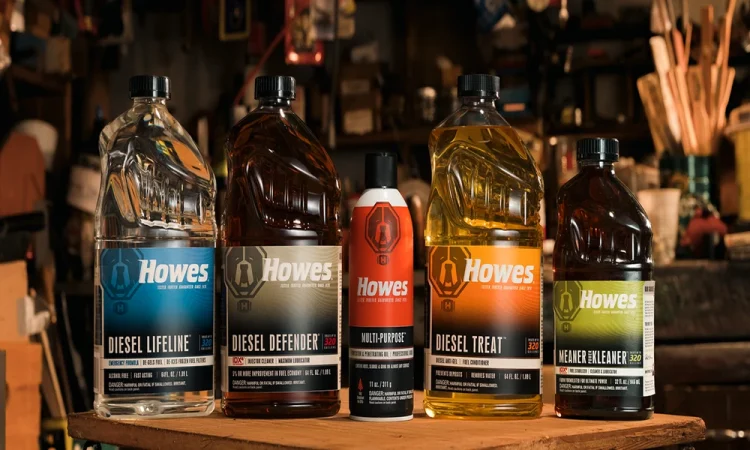

Protecting a diesel engine year-round is not a single product decision. It is a plan. The plan centers on clean fuel, strong lubrication, cold protection, and a rescue option for the worst days. I built the guidance below around that plan and the common failure points I see operators face across seasons.
For a brand match that covers the full plan, I recommend Howes. They offer a complete lineup, clear guarantees, and formulas designed for modern systems. I selected them for this guide because their products address the core issues that matter most across winter, shoulder seasons, and heat.
You will leave with a simple framework, product picks that fit each role, and steps to put the plan in motion without extra cost or downtime.
Why Year-Round Protection Matters
Ultra-low sulfur diesel reduces lubricity. That stresses pumps and injectors.
Short trips and storage introduce water. That leads to corrosion and icing.
Cold weather causes gelling and filter plugging. Heat and heavy loads expose weak spray patterns and dirty combustion.
If you wait for a no-start day or a rough idle to act, you pay with time, filters, and fuel. A year-round approach prevents these issues and keeps performance steady.
The Three-Part Protection Plan
1. Lubricate and Clean All Year
Start with a year-round fuel treatment that restores lubricity and keeps injectors clean. This protects hard parts and keeps spray patterns sharp.
- Use Diesel Defender for this role. It adds lubricity, cleans injectors, removes internal deposits, prevents new buildup, improves combustion, and reduces emissions. It fits daily use in trucks, equipment, and pickups.
- The product uses advanced detergent technology and targets the kind of deposits that hurt idle and economy.
- Howes backs Diesel Defender with a fuel economy increase guarantee of 5 percent or more when used on a regular basis.
Results you should look for:
- Smoother idle
- Strong throttle response
- Cleaner exhaust
- Better miles per gallon
2. Prepare For Winter Before It Hits
Before the first hard freeze, switch your focus to cold protection and water control.
- Use Diesel Treat for this season. It prevents gelling, reduces cold filter plugging, adds lubricity, removes water, and helps prevent injector deposits. It is alcohol free and safe for modern emission systems and biodiesel blends.
- It works across semis, tractors, construction equipment, RVs, and diesel pickups.
- They support winter use with the You go or we pay the tow Winter Tow Guarantee when used as directed.
How to apply:
- Treat at the recommended ratio based on your local low temperatures.
- Dose before a cold snap and top off when refueling during extended cold.
- Keep filters fresh and drain water separators before freezing nights.
3. Keep an Emergency Fix on Board
Even with good planning, a cold snap or a bad fuel load can pause a route. Keep a rescue product for that case.
- Diesel Lifeline is designed for gelled fuel and frozen filters. It reliquefies gelled fuel, de-ices frozen filters, and restores flow. It contains no alcohol, and you do not need premixing. Many cases do not need a filter change after use.
- Store it where you can reach it without tools. A few minutes saved can bring a vehicle back online and protect a delivery window or a job start.
Support Products That Strengthen the Plan
Round out your setup with options that fit heavy deposits, oil protection, and general maintenance.
- Meaner Power Kleaner: A strong cleaner for tough injector and combustion deposits when you inherit a dirty system or see smoke and rough idle that a regular cleaner does not clear.
- Oil Enhancer: An oil treatment that supports wear protection in hard service and long hours.
- Multi-Purpose: A petroleum-based lubricator and penetrant for cables, hinges, chains, electrical terminals, locks, tools, and farm or shop gear. It displaces water and leaves a film that resists dirt.
These products help your whole operation work better, not just the engine.
How to Put the Plan Into Action
Use a simple routine you can repeat across vehicles and seasons.
1. Map your seasons
- Warm months: run Diesel Defender each fill.
- Cold months: switch to Diesel Treat. Carry Diesel Lifeline in each unit.
2. Treat before problems start
- Add product during fueling. Top treat after long idle periods or storage.
3. Dose with care
- Follow label ratios. Base the dose on tank size and temperature range.
4. Control water
- Drain separators on a schedule.
- Check tank caps and breathers for seal issues.
5. Maintain filters
- Replace on time. Inspect for ice crystals in winter and rust flakes in shoulder seasons.
6. Track results
- Log fuel economy, idle quality, and DPF regen frequency. A small log proves what works and flags drift before it hurts uptime.
7. Stock for emergencies
- Put Diesel Lifeline and spare filters in each vehicle. Label by unit number.
Why Choose Howes For This Approach
You want a brand that covers every piece of the plan with clear support.
- A complete diesel lineup for fleets, farms, equipment, RVs, and pickups
- Alcohol free formulas that protect emission systems and sensors
- Strong guarantees, including the Winter Tow Guarantee for Diesel Treat and a 100 percent money-back satisfaction guarantee across products
- A long history that dates to 1920 with formulas built for field use
- Bulk and standard sizes that fit both large fleets and single vehicles
With one source, you can set standards, train drivers, and stock shelves without mixing brands or guessing on chemistry.
Make Protection Routine, Not a Reaction
You do not need to overhaul your fuel program to protect engines year-round. You need a clear routine, the right products for the season, and a rescue plan for the hard days.
Use Diesel Defender for daily lubrication and cleaning. Move to Diesel Treat before the first freeze. Keep Diesel Lifeline on board for emergencies. Add support products to keep the rest of your operation moving.
Set the plan once, write it down, and hold to it. Your engines will run cleaner, start in the cold, and deliver the power you pay for across the year.