


You order a JDM engine on a Tuesday. Three weeks later a crate arrives on a freight truck, and inside sits a Japanese long block that was running in a car on the other side of the world not long ago. The distance between those two moments hides a supply chain most buyers never see, and understanding it changes how you judge the engine you receive.
The journey starts at Japanese vehicle auctions, where the vast majority of exported engines originate. These auctions handle enormous volume, and exporters bid on vehicles specifically to harvest their drivetrains. The car might be perfectly drivable, but Japan’s inspection and depreciation system pushes owners to sell early, so the auction lanes fill with vehicles carrying engines that still have plenty of service life.
How does an engine get selected for export?
Exporters do not buy at random. They target specific engine codes that have demand in overseas markets, which is why certain motors appear constantly while others never leave Japan. A buyer in the United States looking through a catalog on a site like texasjdmmotors.com is seeing the downstream result of thousands of individual auction decisions made months earlier, filtered by what American enthusiasts actually want to swap in.
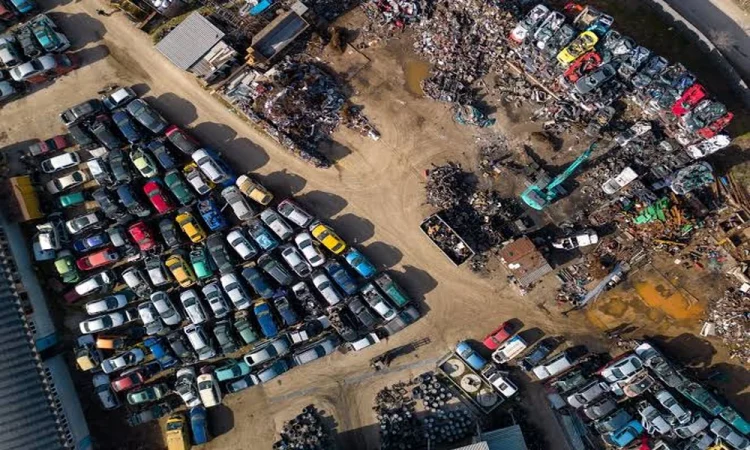
Once a donor vehicle is won at auction, the exporter pulls the engine and transmission, often as a matched set. The remaining shell gets recycled or sold domestically. The removed drivetrain is cleaned, sometimes tested, wrapped, and staged for a shipping container. A single container might hold a dozen or more engines packed together for the ocean crossing.
What does the ocean crossing add to the equation?
Time and risk, mostly. The transpacific voyage takes weeks, and salt air is unkind to bare metal. Responsible exporters seal exposed ports and coat vulnerable surfaces before loading, but engines still arrive with the occasional surface rust that alarms first-time buyers. Surface corrosion on the exterior is usually cosmetic. What matters is whether moisture reached the internals, which is why arrival inspection is not optional.
Containers clear customs at a US port, and here the regulatory layer appears. The Environmental Protection Agency and the California Air Resources Board both take an interest in imported engines, particularly regarding emissions equipment. California enforces the strictest standards in the country, and an engine perfectly legal to install in Texas may face additional hurdles in a CARB state. The National Highway Traffic Safety Administration governs the separate question of importing whole vehicles under the 25-year rule, which is why complete cars follow a different path than loose engines.
Who inspects the engine before it ships?
This is where suppliers separate themselves. The best exporters compression-test engines in Japan and document the readings. Others ship whatever came off the donor vehicle with minimal checking, trusting the importer to sort quality on arrival. When you buy from a US-based seller, you are relying on their standards for choosing overseas partners, because you never see the Japanese end of the chain yourself.
A domestic importer who has built relationships with reliable Japanese exporters can afford to reject bad units before they reach customers. One who buys the cheapest available stock passes the gamble along to the buyer. The difference does not show up in the listing photo. It shows up months later in whether the engine is still running.
What happens after the engine clears customs?
The container’s arrival is not the finish line. Once through customs, engines move to a domestic warehouse, and what happens there separates operations that care from operations that flip inventory. Careful importers unpack and inspect each unit, catching shipping damage and internal moisture before anything reaches a customer. They store engines indoors, protected from the humidity that quietly ruins bare metal, and they keep documentation tying each engine back to its donor vehicle.
The alternative is an open lot where engines sit exposed until sold. An engine that survived the ocean crossing in good shape can deteriorate on domestic soil if it spends months outdoors accumulating rust and moisture. Storage after arrival is invisible to the buyer scrolling a listing, yet it materially affects what shows up on the freight truck. The photo shows an engine. It does not show the six months of weather that engine endured before the photo was taken.
Why timing and inventory turnover matter
Turnover is another hidden variable. An importer who moves inventory quickly sells engines that spent little time in storage, in Japan or domestically. One sitting on aging stock is shipping engines that have weathered longer, whatever their condition on arrival. Fast-moving sellers also tend to maintain fresher relationships with their overseas partners, which keeps quality consistent rather than dependent on whatever happened to be cheap that quarter.
Why the domestic seller matters more than the origin
Every JDM engine comes from Japan, so origin alone tells you nothing. The variable is who handled it between the auction lane and your garage, and whether that party stands behind the outcome. A seller who inspects incoming stock, stores it properly in a climate-controlled facility rather than an open lot, and backs the engine with a warranty has absorbed the supply chain risk on your behalf.
That absorption has a cost, and it explains price differences between sellers offering ostensibly identical engines. The cheaper option often reflects a shorter, less controlled chain with the risk still attached. The engine that costs a bit more frequently includes inspection, proper storage, and a guarantee, which means the seller has already filtered out the units that would have failed.
One more link in the chain deserves mention: the freight leg inside the United States. After the warehouse, the engine travels to you by truck, and freight damage is a genuine risk on heavy, awkward cargo. A crate can be dropped, tipped, or crushed under other freight. This is why arrival inspection before signing off on the delivery matters, and why a seller who packages engines securely and documents their condition at dispatch protects both parties. The final miles are the ones the buyer sees, and they are also the ones where a well-run operation shows its care in how the crate is built and braced.
By the time a crate reaches your driveway, it has passed through auction houses, exporters, ocean freight, customs, emissions consideration, and a domestic warehouse. Each link either added quality control or skipped it. Knowing the chain exists lets you ask the right question of any seller: not merely where the engine came from, since the answer is always Japan, but what they did with it once it was theirs. That single question does more to predict your outcome than any spec sheet, and it costs nothing to ask before you commit.