

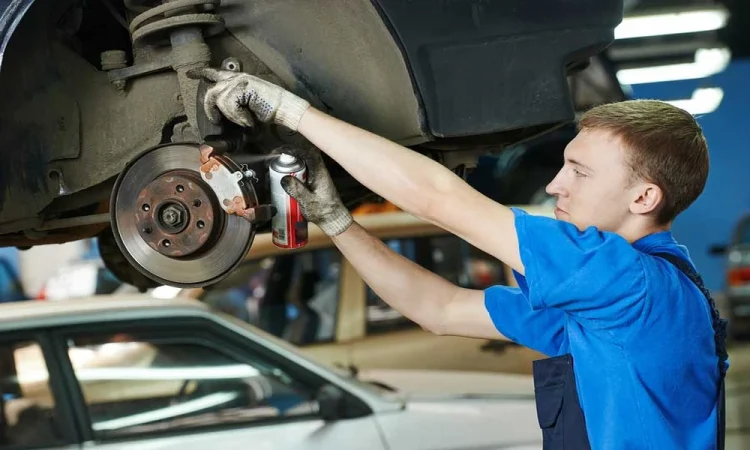

Your braking system protects everyone whenever sudden traffic changes demand quick vehicle control. Worn brake components can slowly reduce braking performance without creating immediate warning signs. The vehicle may still stop normally during gentle everyday driving. But emergency situations can expose serious weaknesses within aging braking components. Longer stopping distances can increase collision risks when roads become crowded or unpredictable. So, understanding brake wear helps support safer driving decisions throughout every season.
Worn Brake Pads Reduce Effective Braking Performance
Professional inspection can reveal whether remaining friction material provides adequate braking performance. A trusted Brake Repair in San Jose, Ca service can inspect pad thickness and surface condition. This inspection can also identify uneven wear caused by additional braking system problems. Replacing worn pads at the appropriate time helps restore dependable friction. So timely maintenance can reduce unnecessary strain throughout the complete braking system.
Worn Calipers Can Prevent Proper Brake Engagement
Brake calipers apply pressure that pushes brake pads against rotor surfaces. Damaged calipers can interfere with proper pad movement during braking. A sticking caliper may keep pressure against one rotor even after releasing brakes. This condition can generate excessive heat and create uneven component wear. Conversely a weak caliper can reduce pressure against the braking surface. The result can become inconsistent braking performance across different wheels.
Uneven braking can make the vehicle feel unstable during sudden stopping situations. Sometimes the vehicle may pull toward one side while braking. Such movement can make emergency steering corrections more difficult for the driver. GIC Car Clinic can help identify brake component wear before serious stopping problems develop.
Worn Brake Fluid Components Can Affect Hydraulic Response
Hydraulic pressure allows braking force to travel from controls toward individual brake components. Contaminated or degraded brake fluid can affect hydraulic system performance. Moisture can enter brake fluid over time and reduce its effectiveness. The fluid may also become contaminated through normal component aging. Under demanding conditions this contamination can contribute to reduced braking consistency.
GIC Car Clinic recommends addressing unusual pedal behavior before braking performance becomes seriously compromised. A technician can examine fluid condition and hydraulic components during scheduled maintenance.
Regular Brake Inspections Help Maintain Safer Stopping Distances
Brake components naturally experience wear because they operate under repeated friction and heat. However neglected wear can gradually turn normal maintenance issues into safety concerns. Longer stopping distances can become especially dangerous around pedestrians and busy intersections. Wet roads can make reduced braking performance even more concerning. Heavy traffic can also leave less room for correcting unexpected braking delays.
Conclusion
GIC Car Clinic can provide professional attention when braking behavior becomes unusual or concerning. Prompt inspection can determine whether worn components are affecting stopping performance. Replacing damaged parts can restore proper contact pressure and braking efficiency.